Komatsu Excavator Parts: OEM vs Aftermarket Buying Guide
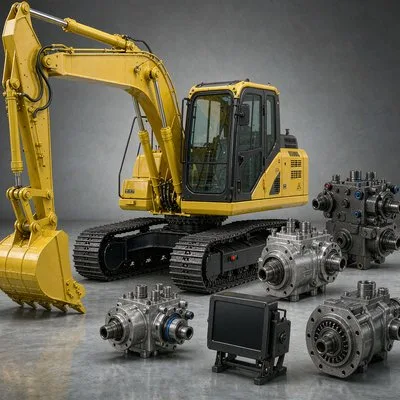
Every Komatsu owner eventually faces the same purchasing question: order through the dealer channel at OEM pricing, buy an aftermarket equivalent at a fraction of the cost, or take a chance on a used unit pulled from a salvage machine. The Komatsu PC-series fleet is one of the largest in the world, so a deep aftermarket has matured around it - but the right answer changes with every part family. This guide breaks the decision down by part type, shows what we stock for the most common PC models, and gives you a checklist for ordering with confidence.
Why Komatsu Sourcing Rules Differ by Part Family
Komatsu machines are built to tight tolerances, and the parts that carry those tolerances behave very differently in a sourcing decision. Precision wear components - main pumps, final drives, travel motors and cylinder liners - live or die on machining accuracy and material quality, so a poor copy fails fast and takes neighbouring parts with it. Commodity and electrical items - relays, sensors, monitors and seal kits - follow well-understood specifications, and a competent manufacturer can match them at far lower cost. The classic mistake is applying one rule to every line on the order.
The Three Sourcing Routes Compared
|
Sourcing route |
Typical cost |
Warranty |
Best fit |
|
OEM dealer channel |
100% of list |
12 months factory |
Precision assemblies, warranty work |
|
Aftermarket new |
30-60% of list |
6-12 months supplier |
Seal kits, sensors, relays, liners |
|
Used / salvage |
10-25% of list |
None unless tested |
Pre -7 models, body and cab parts |
The table is a starting point, not a verdict. Dealer-channel ordering still wins on documentation and warranty traceability, which matters when a machine is leased or insured. Aftermarket supply wins wherever the specification is public, which covers most of the small and medium parts on a typical order. Used parts only make sense when the machine is older than the parts channel itself, and even then they belong on non-critical positions first.
Match the Grade to the Machine's Duty Cycle
Sourcing grade should also follow how the machine earns money. A PC200-7 on a rental fleet works long hours in abrasive material, so precision assemblies pay for themselves and downtime is measured in hundreds of dollars per day. The same model doing occasional yard work can take a mid-grade part without drama. High-hour machines past 12,000 hours deserve extra care on the engine side: liners, rings and injectors should be replaced as a matched set, whatever grade you choose, because mixing wear levels inside one engine shortens the life of every component.
Where OEM-Grade Supply Is Non-Negotiable
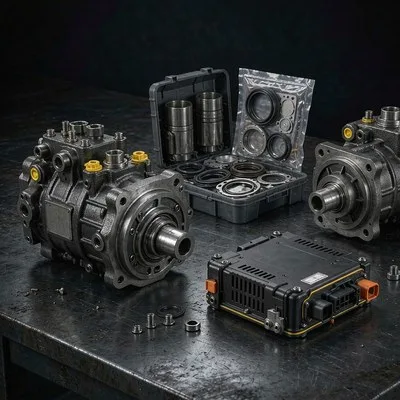
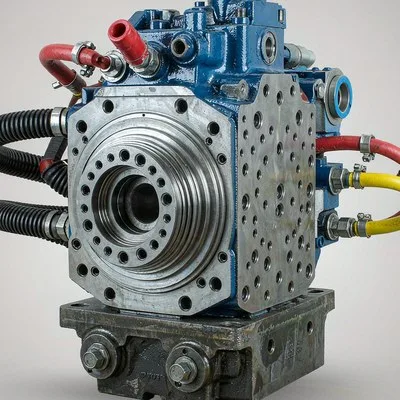
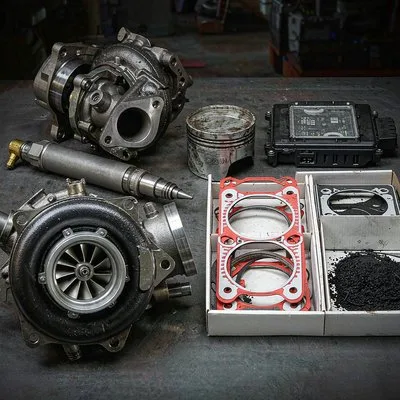
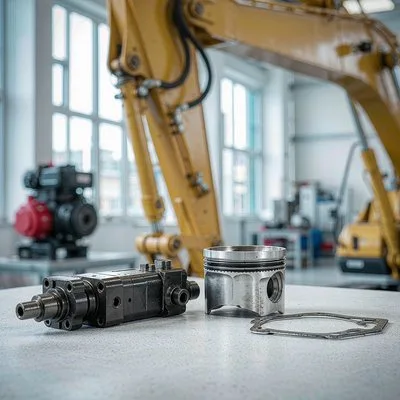
Precision assemblies deserve OEM or OEM-grade supply because their life is decided by clearances you cannot see. A final drive that is out of tolerance eats bearings and sprockets; a main pump with a poor valve plate overheats and contaminates the whole system. The same logic applies to cylinder liners, where bore finish and hardness control the life of the rings, and to injectors and controllers, where calibration data matters as much as the hardware. For PC200-7 and PC220-7 machines we stock the main pump assembly 708-2L-00300 for PC200-7 and PC220-7, while the PC400-8 and PC450-8 classes take the 708-2H-00027 unit for the larger PC400-8 and PC450-8. On the travel side, the Komatsu PC120-5 travel motor, the PC406 and KX912 final drive with travel motor, the PC100-7 final drive travel motor and the PC45 mini excavator final drive GM06/TM06 20T-60-72120 cover the common classes. Engine-side wear parts include the S6D1554 cylinder liner 6128212216 and the 4D105 cylinder liner 6130-22-2310.
Where Aftermarket Parts Win
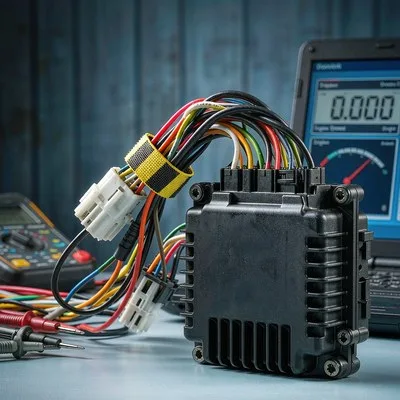
Not every part needs the dealer premium. A relay, a pressure sensor or a throttle motor follows a published specification, and a good aftermarket unit performs identically for a fraction of the price. The starter solenoid relay for PC200-6, PC200-7 and PC200LC-7 is a routine aftermarket purchase, and so is the alternator for the PC200-6 S6D102 engine. Hydraulic accessories such as the suction relief valve 723-40-91200 for PC200-7 and PC200-8 are equally safe to buy as aftermarket new. Electrical items like the controller panel V-ECU 7835-26-1005 are worth buying new - aftermarket or OEM - because used controllers carry unknown programming history. The throttle motor 21W-43-2122 rounds out the same category, and our engine parts category lists the full range with fitment notes. One caution applies across the board: whatever grade you buy, insist on the same documentation you would get from a dealer - part number, batch traceability and a written warranty - because the cheapest unit without paperwork is the most expensive one when it fails early.
Five-Step Buying Checklist
· W
· C
· A
· F
· C
Three Procurement Mistakes That Cost More
· B
· M
· S
Frequently Asked Questions
Q: Is aftermarket parts quality safe for a 20-year-old Komatsu?
A: For pre -7 models, aftermarket wear parts and commodity items are usually the sensible choice because the machine value no longer justifies OEM pricing. Keep precision assemblies at OEM-grade and verify warranty terms in writing.
Q: How do I know a used final drive is good?
A: You do not, unless the supplier tests it. Ask for leak-down and rotation photos, the hour meter, and a written return window; otherwise budget for a rebuild kit alongside the unit.
Q: Can you confirm fitment before I pay?
A: Yes. Send the machine model, serial number and a photo of the component stamp, and we confirm the exact part against live stock before quoting.
Order With Confidence - Get a Quote Today
Send us the machine model, serial number and a photo of the component stamp, and we will confirm the exact Komatsu part and its sourcing grade before quoting. Message our WhatsApp at +86 18758866446 or request a quote through the contact page for price and lead time within four working hours.